
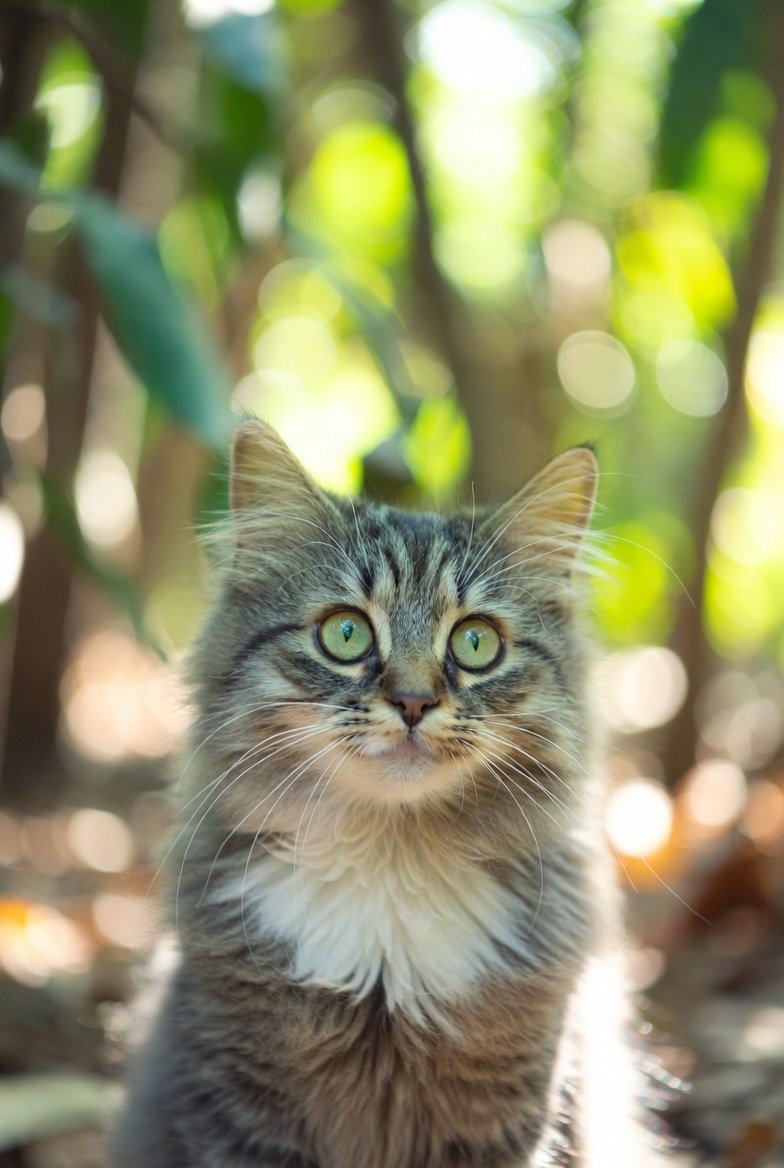
If you’ve ever watched your cat finish their meal only to start sneezing repeatedly, you know how puzzling—and sometimes worrying—it can be. Occasional sneezing is normal for cats, as it’s their way of clearing irritants from the nasal passages. But when it happens consistently after eating, it often points to specific underlying issues rather than random allergies or a simple cold. This pattern is one of the most common reasons cat owners seek veterinary advice for sneezing.
In many cases, the sneezing stems from dental problems, eating habits, or respiratory conditions that flare up during meals. While some triggers are harmless and temporary, others can signal chronic issues that affect your cat’s comfort and health. This article breaks down the main causes, helps you spot when it’s serious, and offers practical steps—including when to see a vet. Remember, this is general information; always consult a veterinarian for your cat’s specific situation.
Is It True Sneezing? Differentiating from Similar Behaviors
Before diving into causes, confirm what you’re seeing. A true sneeze in cats is a sudden, forceful expulsion of air through the nose, often with a quick head jerk. It clears irritants like dust or mucus.
However, owners frequently mistake other behaviors for sneezing:
- Reverse sneezing — This involves rapid, noisy inhaling (honking or snorting sounds), with the neck extended and head forward. It lasts 10–60 seconds and often occurs after excitement, eating too quickly, or drinking. Unlike regular sneezing, air is pulled in to clear the throat or nasal area. It’s usually harmless and self-resolves.
- Coughing, gagging, or choking — These involve throat spasms or attempts to dislodge something, often with a hacking sound.
- Nasal snuffling or wheezing — Ongoing congestion sounds without the explosive sneeze.
Recording a video of the episode helps your vet differentiate. Misidentifying can delay proper care, so understanding the difference is key.
Most Common Causes of Cat Sneezing After Eating
Several factors tie sneezing directly to mealtimes. Here’s a closer look at the top culprits, based on veterinary insights.
1. Dental Disease and Tooth Root Infections (The Leading Cause)
Dental issues top the list for sneezing tied to eating. Cats’ upper teeth (especially canines and premolars) have roots close to the nasal passages and sinuses. When periodontal disease advances, infection erodes the bone separating the mouth from the nose, creating an oronasal fistula—an abnormal opening.
Food particles, saliva, or bacteria enter the nasal cavity through this hole during chewing, irritating the sinuses and triggering sneezes. This often happens right after or during meals, as chewing pushes material upward.
Signs include:
- Bad breath (halitosis)
- Drooling or pawing at the mouth
- Reluctance to eat hard kibble (preferring soft food)
- Facial rubbing or asymmetry
- Nasal discharge, sometimes with food bits
Even young cats can develop severe dental disease due to genetics, poor diet, or lack of care. Chronic cases lead to ongoing rhinitis (nasal inflammation). Veterinary sources like PetMD and VCA emphasize that untreated dental problems cause persistent sneezing, often mistaken for allergies or colds.
2. Eating or Drinking Too Quickly or Excitement-Related Triggers
Some cats gobble food enthusiastically, inhaling kibble dust, particles, or even small bits. This irritates the nasal passages temporarily, causing sneezes or reverse sneezing.
Rapid eating links to reverse sneezing, where throat spasms trigger the episode. It’s more common with dry food or in excited eaters. Switching to puzzle feeders or smaller meals often resolves it—no vet needed if isolated.
3. Upper Respiratory Infections (Viral or Bacterial)
Feline upper respiratory infections (URI), often from herpesvirus (FVR) or calicivirus, cause chronic “snuffly” cats. Sneezing may worsen during meals because chewing/swallowing aggravates inflamed nasal tissues or increases mucus flow.
Common in multi-cat homes or shelters, URIs feature:
- Runny nose/eyes (clear to yellow/green)
- Conjunctivitis
- Reduced appetite (cats eat less if they can’t smell food)
- Lethargy in severe cases
Viruses like herpes flare with stress, leading to recurrent episodes. Antibiotics treat secondary bacteria, but viruses persist lifelong.
4. Food Allergies or Intolerances
True food allergies are less common for sneezing alone but possible. Reactions to proteins (beef, fish, dairy) or additives cause immune responses. Respiratory signs like sneezing occur rarely, usually with itching, vomiting, or diarrhea.
If sneezing follows specific foods and improves with diet changes, an elimination trial (8–12 weeks on novel/hydrolyzed protein food) helps diagnose.
5. Other Less Common Causes
- Nasal polyps, tumors, or foreign bodies — These block passages, worsening with eating.
- Environmental irritants — Kibble dust or litter amplified during meals.
- Chronic rhinitis — From prior infections, leading to persistent inflammation.
Accompanying Symptoms: Normal vs. Serious
Probably harmless (monitor):
- Occasional, meal-only sneezing
- No discharge
- Cat acts normal, eats well
- Reverse sneezing episodes
Red flags—see a vet soon:
- Frequent or persistent sneezing
- Colored nasal/eye discharge (yellow/green/bloody)
- Bad breath, drooling, weight loss
- Pawing at face/mouth
- Difficulty eating, appetite changes
- Coughing, wheezing, lethargy, fever
Acute (sudden) vs. chronic/recurrent helps gauge urgency. Cats hide pain, so don’t delay if appetite drops.
Diagnosis: What Vets Do
Vets start with history (timing, food type) and physical exam, including oral check. Dental issues often require sedation for full inspection.
Tools include:
- Dental X-rays to spot root infections/fistulas
- Rhinoscopy (camera in nose)
- Blood tests or PCR for viruses
- Elimination diet trials for allergies
Chronic cases may need biopsies to rule out tumors.
Treatment Options Depending on the Cause
- Dental: Professional cleaning, extractions, antibiotics, fistula repair surgery.
- Viral URI: Supportive—humidifiers, saline drops, lysine supplements, antivirals if severe.
- Allergies: Switch to hypoallergenic diet; trial under vet guidance.
- Reverse sneezing/rapid eating: Slow feeders, calm environment.
- General support: Moist food (easier on teeth), better air quality, stress reduction.
Most cases improve with prompt treatment.
Prevention Tips to Reduce Sneezing After Eating
- Regular dental care: Brush teeth, use dental diets/treats, annual checks.
- Slow feeders or puzzle bowls for enthusiastic eaters.
- High-quality, low-dust food and litter.
- Core vaccinations against respiratory viruses.
- Routine vet visits for early detection.
When to See a Vet Immediately
Seek care right away if sneezing accompanies discharge, blood, breathing issues, lethargy, or appetite loss. Cats deteriorate quickly—don’t wait.
Conclusion
Cat sneezing after eating often links to dental disease (via oronasal fistulas), eating habits, or URIs, though allergies or other issues play roles. Most are treatable, especially early. Monitor closely, note patterns, and consult your vet for tailored advice. With proper care, your cat can enjoy meals sneeze-free. If your furry friend shows these signs, book that check-up—early action makes all the difference.
FAQ
Why does my cat sneeze after eating dry food?
Dust/particles irritate, or dental issues allow food into sinuses.
Is reverse sneezing dangerous in cats?
Usually not—harmless reflex, but frequent episodes warrant checking underlying causes.
Can food allergies make cats sneeze?
Rarely primary, but possible with other signs like itching.
When should I worry about my cat sneezing?
If persistent, with discharge, bad breath, or appetite changes—see a vet promptly.