
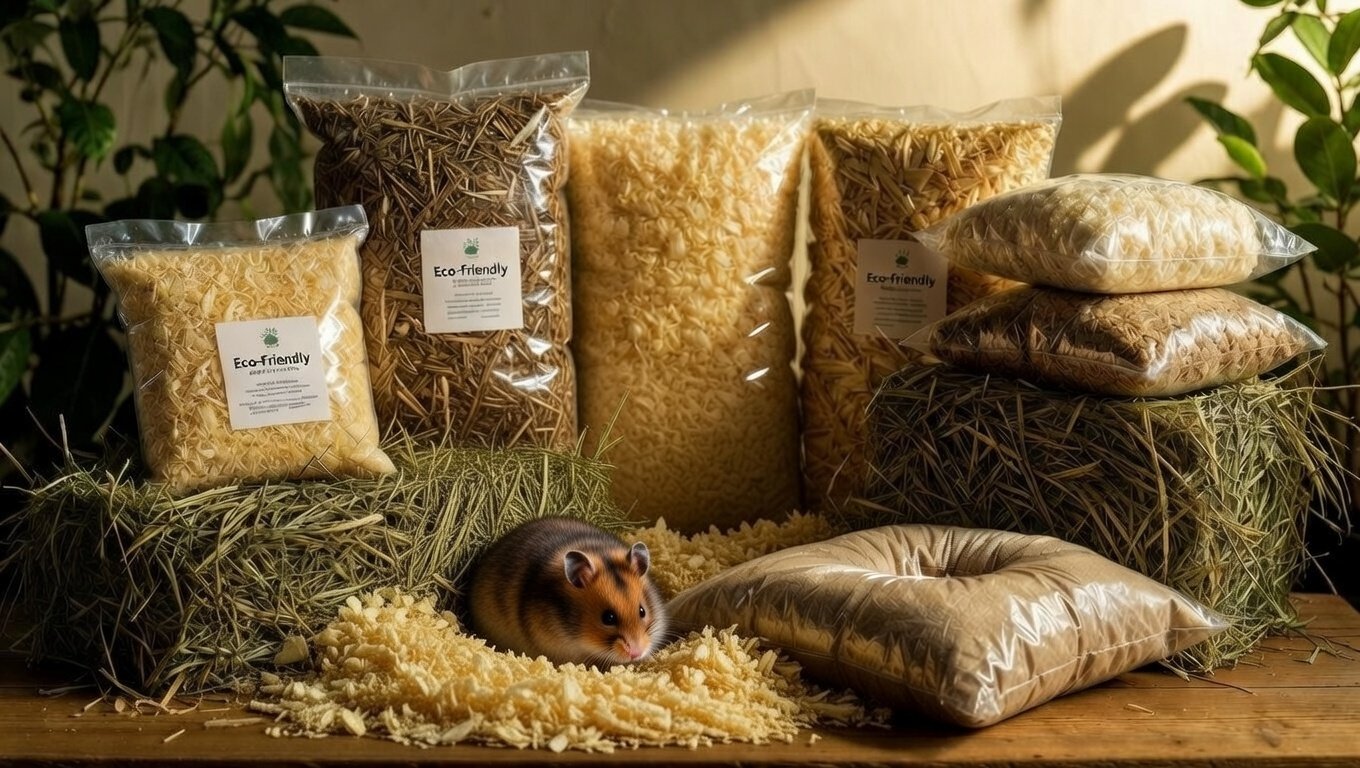
If you have a hamster, guinea pig, rabbit, ferret, rat, mouse, or chinchilla at home, one of the most important things you buy regularly is pet bedding. Good bedding keeps your pet dry, comfortable, healthy, and happy. Among all the choices available today, natural paper-based bedding is becoming the favorite of many caring pet parents — and for very good reasons.
Why Choose Natural Paper Bedding Over Wood Shavings?
Many people still use pine or aspen wood shavings because they’re cheap and easy to find. But wood shavings have some hidden downsides:
- They can be dusty (even “dust-free” ones often aren’t 100%)
- The sharp edges sometimes hurt tiny feet (especially guinea pigs and rats)
- They don’t absorb urine very well → cages start smelling faster
- Some types release strong natural oils that can irritate breathing
Natural paper bedding solves almost all of these problems at once.
It’s made from soft, recycled paper fibers (usually leftover from making tissues or packaging), turned into super-fluffy, pillow-like material. The best versions feel gentle like cotton, soak up a lot of liquid quickly, control smell for many days, and create almost zero dust.
What Makes Paper Pet Bedding Feel Like a Real Home?
Small pets love to dig, burrow, tunnel, and build nests — it’s in their DNA. The right bedding lets them do all of these things naturally.
Fluffy paper bedding is perfect for this because:
- It’s light and easy to push around → great tunnels and hideouts
- It stays soft even when they pile it high
- Bigger pieces (in nesting varieties) help rabbits and guinea pigs create strong, cozy nests
- It doesn’t collapse easily like some loose hay or thin shavings
When your pet can follow its natural instincts, it feels safer and less stressed — which means a happier, more active pet.
Special Options for Different Pets & Needs
Not all small pets have the same habits, so smart brands now offer different styles:
- Classic fluffy bedding Everyday choice for hamsters, gerbils, mice, rats — very soft and super absorbent.
- Nesting bedding Larger fluffy pieces — best for guinea pigs and rabbits who love building big nests.
- White paper pellets (litter) Small, hard pellets made of the same natural paper. Perfect for rabbit litter trays and ferret boxes. They last longer, create less mess outside the tray, and keep the smell under control.
- Colored & fun editions Some brands add safe, pet-friendly colors — pastel pink, blue, green, or even holiday themes. It’s a nice way to match your room decor or show off your pet’s personality without harming them.
How Long Does It Really Stay Fresh?
One of the biggest wins with good paper bedding is odor control.
High-quality versions can keep the cage smelling clean for 7–10 days (sometimes longer), depending on how many pets you have and how big the cage is. That’s usually much better than wood shavings, which often start smelling after 3–5 days.
Because it absorbs urine so well and traps the ammonia smell inside the fibers, you don’t have to do full cage cleans as often — which saves time and reduces stress for your pet.
Quick Comparison – Paper Pet Bedding vs Wood Shavings
| Feature | Natural Paper Bedding | Traditional Wood Shavings |
|---|---|---|
| Softness | Very soft, pillow-like | Can feel rough/sharp |
| Dust level | Almost dust-free | Often dusty |
| Absorbency | Excellent (2–3× better) | Average |
| Odor control | 7–10 days typical | 3–6 days typical |
| Foot safety | Gentle on sensitive paws | Risk of bumblefoot |
| Eco-friendly | Made from recycled paper | Uses trees |
| Burrowing/Nesting | Excellent | Average |
Tips to Get the Most Out of Your Bedding
- Put 5–8 cm (2–3 inches) depth for most small pets — deeper for diggers like hamsters
- Spot-clean pee areas every 2–3 days to stretch the life of the bedding
- Mix in a little hay or safe chew toys for extra enrichment
- Choose low-dust or “ultra-low dust” versions if anyone in the house has allergies
- Use white pellets in a separate litter box for rabbits/ferrets — it makes cleaning much easier
Conclusion
Switching to natural paper pet bedding is one of the easiest ways to make your small pet’s life noticeably better. It gives them a cozy, dry, low-dust home where they can burrow, nest, and play like nature intended — while giving you fresher air, less smell, and fewer full cage cleans.
Whether you want plain natural fluff, colorful fun editions, or special nesting material, paper bedding has become one of the smartest and kindest choices you can make for your tiny companion.
Your pet spends most of its life in that cage — why not make it the softest, safest, happiest little home possible?
FAQS:
Q: Is paper bedding safe for small pets?
A: Yes – soft, low-dust, chemical-free, gentle on paws and lungs.
Q: Better than wood shavings?
A: Yes – more absorbent, less dust, better odor control, softer, safer for feet.
Q: How deep should the bedding be?
A: Hamsters: 6–10 inches Guinea pigs/rabbits: 4–6 inches Rats/mice: 4–8 inches
Q: How often to change it?
A: Spot-clean every 1–3 days. Full change: 7–14 days.
Q: Can pets eat it?
A: Small nibbles are usually safe. Large amounts → watch and consult vet.
Q: Is colored bedding safe?
A: Yes, if using pet-safe, non-toxic dyes. Avoid strong scents.
Q: Dust level?
A: Very low – ideal for allergies and breathing.
Q: Good for litter boxes?
A: Yes – use white paper pellets for rabbits/ferrets.
Q: Eco-friendly?
A: Yes – recycled paper, biodegradable.
Q: Why does my pet scatter it?
A: Normal – they love digging and rearranging. Use high-sided cage.
Short, clear, and easy to scan – exactly what busy pet owners need.